
EbookWriter Ai Review
When you imagine turning a fleeting idea into a book, you want the process to feel as satisfying as setting a meal on a table: deliberate, beautiful, and ready for someone else to savor.
Ebook Writer AI promises that ease — the promise of a finished, monetizable ebook without you having to write a single line. What follows is a careful, practical, and candid examination of that promise. You’ll find what it offers, how it behaves in real work, where it might frustrate you, and how to make it earn the money or leads you want.

What is Ebook Writer AI?
Ebook Writer AI is a web-based tool that generates complete ebooks — covers, tables of contents, chapters, images, links, and export-ready files — using multiple advanced AI models (GPT-4o, GPT-5 variants, Claude, Gemini). It’s designed so you can input a topic, a tone, and some parameters, then receive a formatted ebook up to 180 pages in minutes. You don’t write; the system writes, formats, generates visuals, and produces files ready for distribution (PDF, ePub, DOCX, TXT).
You’ll find features aimed at monetization: clickable affiliate links, commercial usage included, and options for short eBooks, audio, and DOCX export. The platform also asks you to provide your own OpenAI API key.
How it works — the practical flow
You’ll typically work through a few simple steps:
- Give a title, topic, or seed idea.
- Choose a style, tone, target audience and page count (short mode 5–10 pages or up to 180).
- Pick the AI model(s) you want to use and enable image generation (Gemini Nano Banana supported).
- Set monetization options: add affiliate links or call-to-action pages.
- Generate the ebook and review pages; edit manually where you want changes.
- Export as PDF/ePub/DOCX/TXT or use audio features for chapter narration.
This is designed to be rapid. The promise is simple: idea in, finished product out. But the quality and usefulness depend on how precisely you set parameters and how you use the editing tools afterward.
Behind the models and visuals
The platform integrates several large language models and an image generation engine. This is important because different models have different strengths:
- GPT-4o/GPT-5 variants: stronger coherence, creative prose, structure and long-form planning.
- Claude and Gemini: alternatives for different tonal or factual profiles.
- Image engine (Gemini Nano Banana support): generates covers and in-book visuals, and provides background images for immediate visual appeal.
You’ll also get auto layout and cover creation, which saves time if you want a presentable file fast. If you plan to sell on Amazon KDP, these automated layouts can be a significant time-saver — though you should still review typographic and structural details.

Who benefits most
You should consider Ebook Writer AI if you are:
- A marketer or affiliate who needs lead magnets or tripwires quickly.
- A coach or course creator building supporting ebooks for clients or students.
- A blogger or content repurposer wanting to turn blog posts into a single product.
- A beginner who needs a polished Kindle book without paying for writing and formatting services.
- A solopreneur who values speed and wants to experiment with many niches quickly.
If you are a novelist seeking deeply original literary prose, you’ll find the system useful only for outlines, drafts, or quick short-form products — it’s optimized for commercial, actionable content rather than experimental literature.
Key features and what they mean for you
- Full ebook generation up to 180 pages in minutes: You save weeks of writing and formatting time. You’ll still need to fact-check and adapt voice.
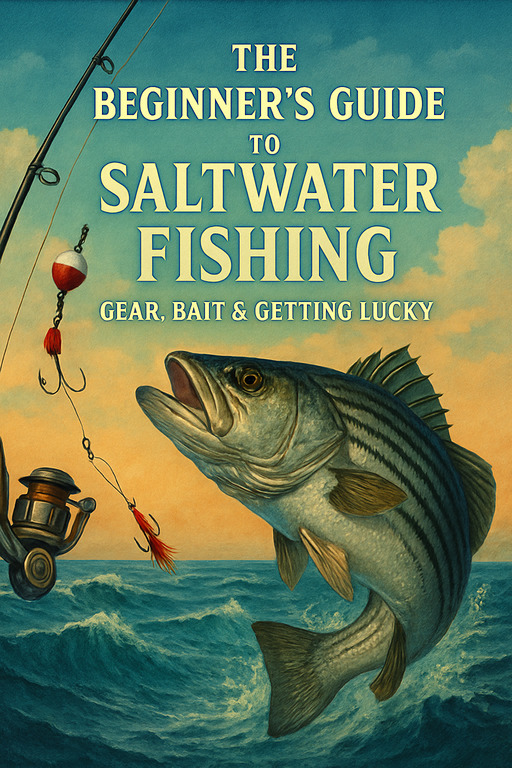
- Auto ebook covers and image generation: Instant visual appeal without hiring a designer.
- Monetization tools (clickable affiliate links): You can embed links and CTAs directly, making the ebooks a direct revenue tool.
- Commercial usage included: You can sell or use the ebooks with clients legally.
- Export options (PDF, ePub, DOCX, TXT): Flexibility to publish on KDP or your own site.
- Edit any page manually: You control the final polish.
- Import PDFs/DOCs to create ebooks from existing material: Useful for repurposing.
- Audio features: Chapter-wise narration and intro/outro voiceovers add an additional product layer for distribution.
- Short eBook mode and GPT-5 support: Useful for quick lead magnets or higher-quality long-form work (GPT-5 support noted in Oct 2025 update).
Plans and pricing
Below is a clear breakdown of the one-time fee plans. Each plan gives you monthly credits that refresh and roll over, and all plans include commercial rights and the image generator.
| Plan | One-Time Fee | Monthly Credits | Notes |
|---|---|---|---|
| Special (Promotion) | $17 | 5,000 | Limited promotion — best if you want a low-cost trial with decent volume |
| Growth | $47 | 12,500 | Balanced for serious solopreneurs |
| Pro | $67 | 25,000 | For frequent creators with higher output needs |
| Agency | $97 | Unlimited | Best for teams, agencies, or heavy production needs |
All plans include multi-AI access, up to 180 pages per book, commercial use, and credits that roll over. Be mindful that this is a one-time purchase model but requires you to supply an OpenAI API key.
Typical credit usage estimates
You’ll see estimated credit costs before generation. Typical estimates are:
- 20–40 pages ≈ 470 credits
- 80–100 pages ≈ 850 credits
- 160–180 pages ≈ 1,650 credits
Regeneration after edits costs 50 credits each time, so you can refine a book without huge credit waste.
Workflow: From idea to published ebook — a practical guide
You’ll get the best results when you approach the system like a craftsman, setting clear constraints and reviewing the output carefully.
- Clarify your goal: Is this a lead magnet, Kindle book, affiliate product, or client deliverable? Define length, tone, and CTA.
- Seed the AI well: Provide a detailed prompt. Include audience, chapter outline requests, preferred length per chapter, and references if you want a specific voice (e.g., conversational, professional, technical).
- Choose the model: Start with GPT-4o for balanced output; switch to GPT-5 variants if you need higher coherence or creativity (support noted in Oct 2025 update).
- Generate one chapter first: Test how the system handles your topic and voice. You’ll save credits and understand style before committing to a full book.
- Edit and refine: Use the manual editing tools to tighten sections, correct facts, and add your voice or proprietary content.
- Add images and covers: Customize covers and in-book images to align with branding. You can regenerate until satisfied, being mindful of credit use.
- Insert affiliate links and CTAs: Use the monetization tools to link to your products or affiliate offers. Test the links in exported files.
- Export and test on target platforms: If publishing on Kindle, validate the ePub/DOCX formats and Amazon KDP previews. If selling directly, test PDF links and audio playback.

This image is property of ebookwriter.ai.
Quality of the writing and layout
You’ll receive a product that is generally polished and practical. The AI models produce human-like copy, and the built-in formatting engine applies consistent headings, images, and margins. But expect to perform a final pass.
- Prose quality: For nonfiction, marketing, and instructional content, the prose will be coherent, persuasive, and usable with modest editing. For creative or deeply nuanced writing, you’ll likely want to revise to add original perspective and emotional depth.
- Structure: The auto-generated TOC and chapters are functional. The platform is good at logical sequencing and topical coverage, but it may produce filler or generic phrasing in longer works.
- Visuals: Covers and background images are serviceable and quick, but if you want a premium-looking cover for a higher-priced product, consider a designer touch after generation.
- Export fidelity: PDFs and ePub exports are solid for immediate distribution. DOCX export (added in Oct 2025) gives you the most control if you plan to refine content offline.
Monetization and legal considerations
You’ll appreciate the explicit monetization focus. Commercial rights are included, so you can sell the ebooks or deliver them to clients. Clickable affiliate links that export correctly in PDFs/ePubs are a major convenience.
But note:
- You must provide your own OpenAI API key. That means you’re responsible for the API usage charges and compliance with OpenAI’s terms.
- Review the platform’s limited refund policy before purchase. If you’re experimenting with niches, test with the smallest plan first.
- If you plan to resell to clients or include third-party content, ensure you have the necessary permissions for quoted or third-party media.

Chris Derenberger
Pros and cons — candid assessment
Pros:
- Speed: You can create a full ebook in minutes, dramatically reducing time to market.
- Cost-effective: One-time fees and rollover credits can be cheaper than hiring writers and formatters.
- Monetization-ready: Clickable affiliate links and commercial rights enable direct revenue strategies.
- Multi-format exports: Flexible distribution options (PDF/ePub/DOCX/TXT).
- Visual integration: Built-in cover and image generator save you design costs.
- Advanced audio features: Adds value for multi-format products.
Cons:
- You provide the OpenAI API key: This adds setup complexity and possibly additional costs.
- Quality variance: Long-form quality can be uneven; you’ll need to edit for high-value products.
- Limited refund policy: Risky if you are uncertain about long-term use.
- Generic output risks: Without careful prompting, the text can feel templated or generic.
- Regeneration costs credits: Frequent tinkering can consume your monthly credits.
Alternatives and how Ebook Writer AI compares
You’ll find several alternatives in the market: standalone writing assistants, formatting tools, or designer marketplaces. Ebook Writer AI’s main advantage over a piecemeal approach is integration — writing, images, layout, and export in one place. Compared with hiring a writer and designer, you’ll save time and cost for repeatable products.
If you need the absolute best unique voice or complex research, a human writer still outperforms. Use this platform for scale, speed, and prototyping; outsource or rewrite for flagship products.
Tips to get the best results
- Be specific in prompts: Define audience, chapter goals, and examples of the desired tone.
- Start small: Generate a single chapter first to calibrate voice and credit usage.
- Use manual edits: The best ebooks will combine AI efficiency and your editorial touch.
- Keep a style sheet: Save preferred terms, CTAs, and phrasing so regenerated content aligns with your brand.
- Test images and covers: Regenerate a few variants, then pick or refine externally if needed.
- Track credit consumption: Regeneration costs 50 credits each time, so batch edits where possible.
- Use DOCX export for final polishing if you plan to use professional layout or designer help.
Common pitfalls and how to avoid them
- Pitfall: Generating an entire 180-page book on the first try. Solution: Build iteratively — test a chapter, refine prompts, then scale.
- Pitfall: Over-reliance on AI for factual material. Solution: Verify facts, sources, and citations where accuracy matters.
- Pitfall: Skipping manual design checks. Solution: Always review typographic details and ebook previews for Kindle or other platforms.
- Pitfall: Not accounting for API costs. Solution: Use conservative settings and monitor API usage; factor costs into product pricing.
Real-world use cases and examples
You’ll like how the platform suits specific, repeatable products:
- Lead magnet for marketers: A 10–20 page actionable guide with affiliate links and opt-in calls-to-action.
- Tripwire offer for courses: A short 5–10 page workbook sold for $7–17 to convert leads.
- Niche Kindle books: 50–120 page how-to or “X ways to” books that target long-tail keywords.
- Client deliverables for agencies: Template-based ebooks adapted for local businesses or coaches.
- Repurposing content: Turn a series of blog posts into a single ebook with internal links and a unified narrative.
Each case benefits from the platform’s speed and monetization features; the quality depends on your editing.
Support, add-ons, and recent updates
Support is available through the platform’s channels, but read the refund policy carefully before you commit. Add-ons include research tools, flipbooks, and audio upgrades. Recent updates (Oct 2025) expanded capabilities: GPT-5 support, DOCX export, short eBook mode, chapter-wise audio, Gemini Nano Banana image model, and audio intro/outro voiceovers.
This evolution suggests the product is actively maintained and responsive to creator needs, but it also means feature changes may affect workflow or pricing.
Practical checklist before buying
- Do you have an OpenAI API key or are you comfortable obtaining and managing one?
- Are you committed to editing AI-generated text to ensure quality and accuracy?
- Will the one-time payment structure fit your budget and projected usage?
- Do you need unlimited production (Agency plan) or occasional ebooks (Special/Growth)?
- Have you reviewed the refund policy and support channels?
Answering these questions will help you select the right plan and use the tool responsibly.
Final verdict and recommendations
If you want to produce many lead magnets, short ebooks, or niche Kindle books quickly and affordably, Ebook Writer AI is a strong option. It gives you the tools to go from idea to a saleable file in a fraction of the time it would take to hire writers and designers. It’s especially effective for marketers, affiliates, coaches, and content repurposers who need volume and functionality.
However, you must pay attention to quality control. The system is best understood as a powerful assistant rather than a substitute for your editorial judgment. Use it to prototype and produce, but invest a small amount of time polishing your best sellers. Treat the credits thoughtfully; regenerate sparingly and edit in batches to conserve resources.
If you want to begin with minimal risk, consider the $17 Special promotion to understand the tool’s rhythm—create a short ebook, add affiliate links, test conversions, and then scale up to Growth or Pro as you find niches that convert.
You should also factor in the OpenAI API requirement: secure your key, monitor usage, and include API costs in your profit calculations. Finally, make use of DOCX export and audio features for high-value products; these upgrades let you present richer, multi-format packages that buyers appreciate.
If you want, I can:
- Create step-by-step prompt templates you can copy-paste into Ebook Writer AI for different ebook types (lead magnet, Kindle, workbook).
- Draft a 10–15 page sample ebook outline and first chapter that you can import and expand.
- Help you plan a monetization funnel using the platform’s affiliate and audio features.
Tell me which of those would help you most, and I’ll prepare it.


Unleash Your Creativity With Instant Ebook AI

Sociamonials Product Review

Designrr Review 2026: Is This Ebook Creator Software Worth It?
About Author
